


What Is Scientology?


Scientology is a set of religious beliefs created by science fiction writer L. Ron Hubbard, centered on the idea that people are immortal spiritual beings called thetans who have forgotten their true nature. Hubbard first explored these ideas in his 1950 self-help book, Dianetics, which examined the relationship between body and mind. He expanded on that book's success by creating Scientology in 1952, and formally incorporated the Church of Scientology in 1953.
Hubbard maintained a leadership role in the Church of Scientology until his death in 1986, even during periods when he went into hiding because of controversy and legal actions against the church. Understanding what Scientology is requires looking at both its core beliefs and the practices—like auditing—that define how members engage with the religion.
What do scientologists believe?
Scientologists believe that people are immortal alien beings, called thetans, who have forgotten their true nature and are trapped on earth in a human body. Each thetan is believed to have lived numerous past lives, both on earth in physical bodies and on other planets.
Scientologists also believe that by undergoing a series of classes and teachings — called auditing by the church — people can free themselves of their human form and reclaim their true selves.
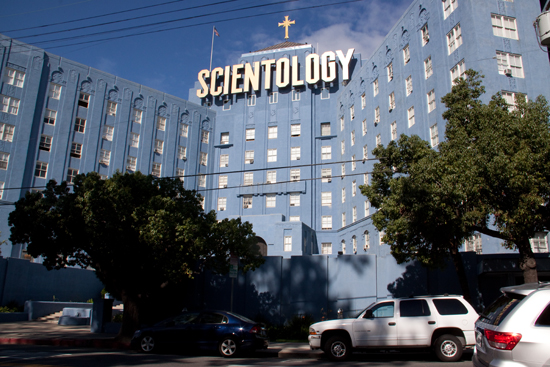
Many of these classes are structured to help people relive painful or traumatic events from their past, with the goal of freeing themselves from carrying these burdens. Auditing courses and study materials are available to Scientologists in exchange for monetary donations, and the most advanced of these courses are not cheap.
By taking all of the classes the Church of Scientology offers, Scientologists believe that one can reclaim their true thetan form, become closer to God (or the Supreme Being), and unlock abilities to control life, matter, energy, space, and time that have been repressed by being in human form.
Is Scientology recognized as a religion?
Scientology is legally recognized as a religion, with tax-exempt status, in eight countries, including the United States and Australia. Many other countries, including Canada, the United Kingdom, France, and Germany, refuse to grant Scientology official religious status. This split in recognition is one reason Scientology remains a uniquely controversial movement worldwide.
What is the controversy surrounding Scientology?
Scientology is one of the most controversial religious movements of our time, with critics and former members raising concerns about its practices, financial demands, and treatment of members. Many people reduce the church's worldview to nothing more than a cult that brainwashes its members and then fleeces them by charging outrageous fees for some auditing classes.
Critics also lambast the church for its rejection of psychiatry, and many people take issue with the church's "Celebrity Centres" — facilities that are technically open to the public but primarily serve the most famous Scientologists in the arts, sports, and government, such as Tom Cruise, Isaac Hayes, and Nancy Cartwright.
Reports from some who have left the Church of Scientology are even more incriminating, including stories of members being held for years against their will at "rehabilitation camps" for violating church policies, or being sent to go through the trash of the church's critics and former members to find material for blackmail. In 1979, several Scientology members were convicted for participating in the largest theft of government documents in U.S. history. Scientologists have also been accused of tampering with witnesses in court cases and even murder.
In response to these claims, Scientologists state that their religion is genuine, that information about the movement has been distorted, and that they are being persecuted.
Frequently asked questions about Scientology
Who founded Scientology?
L. Ron Hubbard founded Scientology in 1952, building on ideas from his earlier 1950 book, Dianetics. He led the Church of Scientology, which he incorporated in 1953, until his death in 1986.
What is auditing in Scientology?
Auditing is a series of classes and teachings within Scientology designed to help members relieve past pain or trauma and move closer to reclaiming their true thetan form. These courses are offered in exchange for monetary donations, with advanced courses often carrying a high cost.
Is Scientology considered a cult?
Many critics describe Scientology as a cult due to allegations of manipulative recruitment, high financial demands, and reports of coercive control over members. The Church of Scientology disputes this characterization, maintaining that it is a legitimate religion that has been unfairly targeted and misrepresented.
Why isn't Scientology recognized as a religion everywhere?
Countries like Canada, the United Kingdom, France, and Germany have declined to grant Scientology official religious status, often citing concerns over its practices and structure. In contrast, eight countries, including the United States and Australia, legally recognize it as a religion with tax-exempt status.
About This Article
This article can be found in the category:


